

For years, we’ve seen it every June, all over the news: a downtown skyline glowing in neon pink and purple, the bank logos suddenly sporting six-stripe flourishes, and the aisles of retailers overflowing with “Love is Love” t-shirts. We’ve come to know this phenomenon as “Rainbow Washing” (or Rainbow Capitalism)—the practice where companies adopt LGBTQ+ branding for profit during Pride Month while fundamentally lacking a deep, long-term commitment to the community.
But as we navigate the landscape of 2026, the masks have finally slipped. It turns out that for many of these “allies,” our community wasn’t a cause to support—we were just a demographic to rent.
The Great Corporate Retreat

Since 2024 and 2025, we have witnessed a significant and chilling shift. Under pressure from political shifts and conservative boycotts, many “blue-chip” companies have scaled back or entirely removed their public LGBTQ+ support. These “all-weather allies” turned out to be fair-weather friends, investing in Pride only when it was trendy or profitable, but retreating the moment political or financial risks emerged.
The list of major companies that have recently scaled back or cut support is growing, and the names are familiar:
- Anheuser-Busch (Bud Light): After 30 years of sponsorship, they declined to support Pride in their home city of St. Louis and withdrew from San Francisco Pride following political backlash.
- Ford & Lowe’s: Both companies recently withdrew from the Human Rights Campaign’s Corporate Equality Index and significantly scaled back their DEI (Diversity, Equity, and Inclusion) initiatives.
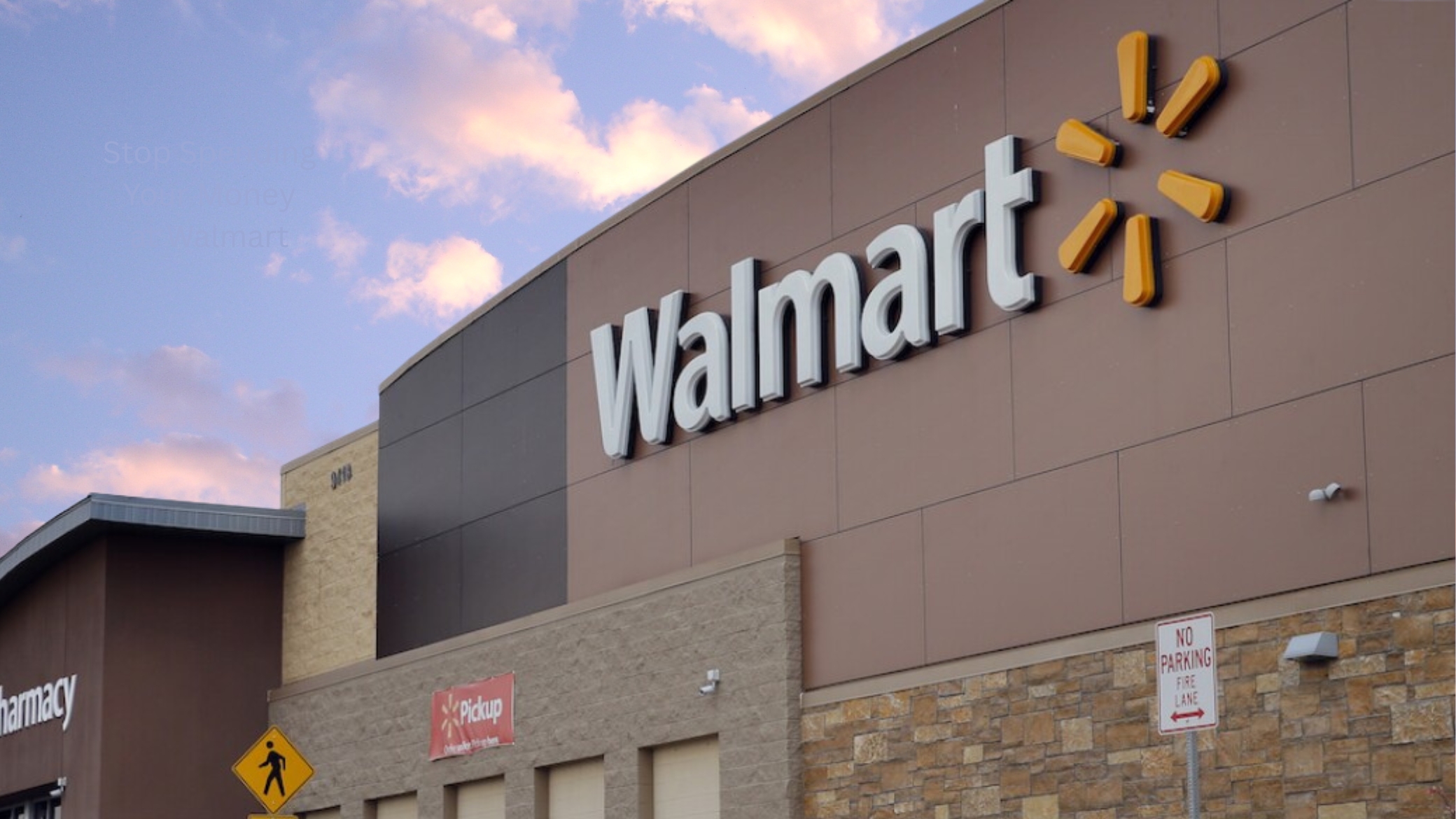
- Walmart: While still selling “Pride” goods, they have rolled back DEI policies and stopped using diversity as a criterion for supplier contracts.
- Mastercard, Citi, & PepsiCo: All were major “Platinum” or top-tier sponsors who pulled or significantly pared back funding for NYC Pride and WorldPride in 2025 and 2026.
Why This is Viewed as “Renting” Support
The criticism from our community centers on three main behaviors that prove this support was never authentic:
- Political Donation Contradictions: Research from groups like Popular Information has exposed the ultimate hypocrisy. Companies like AT&T, Comcast, and Toyota frequently use rainbow logos in June while simultaneously donating hundreds of thousands of dollars to lawmakers who author the very anti-LGBTQ+ legislation we are fighting against.
- The “July 1st” Effect: Many brands aggressively market “Pride Collections” to capture Gen Z and Millennial spending, only to remove every mention of the community and its issues the moment the clock strikes midnight on July 1st.
- Fragility Under Pressure: True support is measured when it isn’t easy. By pulling sponsorships or removing merchandise as soon as a boycott starts, these companies have demonstrated that their support was a marketing strategy, not a core value.
The Financial Fallout for the Community
This “corporate retreat” has caused a genuine crisis for the organizations that keep our community safe and visible. In 2025, NYC Pride reported a staggering $750,000 shortfall, and San Francisco Pride saw a $200,000 gap due to these withdrawals. This isn’t just about parades; it’s about the year-round community grants and social services these organizations provide.
The message is clear: You are welcome to spend your “pink money” at our stores, but don’t expect us to stand up for your right to exist when it gets “complicated.”
Returning to Our Roots
The era of “Rainbow Washing” is ending because the corporate world has realized that standing with us requires actual courage—a commodity many of them lack. This betrayal is leading many Pride organizations to pivot back to their “protest roots,” seeking community-led funding rather than relying on unreliable corporate partners.
Here in Tucson and beyond, it’s time to ask: If your support is only available when it’s profitable, why should we give you our business at all?

Tony Ray Baker
Latest posts by Tony Ray Baker (see all)
- Pride Deferred, Not Denied: Keep Showing Up for Tucson’s LGBTQ+ Community – February 11, 2026
- The Rainbow Was Just a Rental: Why “Corporate Allyship” is Failing Us in 2026 – January 29, 2026
- Are Large Corporations Pulling Back LGBTQ+ Support Funding? Yes — And Here’s How We Solve It With Economic Power – January 19, 2026
Tony Ray
(520) 631-TONY (8669)
www.SeeTucsonHomes.com
Call or Email me for Your Free Relocation Package.
Tony Ray Baker, Realtor®: TonyRay@GayTucson.com
Licensed Real Estate agent in Tucson Arizona with RE/MAX Select