


Tucson Pride 2026 is off the calendar, but Pride is not “cancelled”
If you heard the news and felt your stomach drop, you’re not alone. Tucson Pride’s board announced that the Tucson Pride Festival scheduled for February 21, 2026 will not take place, and that the organization itself is closing.
It’s a big change—especially because Tucson Pride has been a major anchor event for LGBTQ Tucson for decades. Many of us have memories tied to that weekend: first time holding hands in public, first Pride selfie with friends, first drag show outdoors, first time seeing your identity reflected on a stage instead of hidden in a corner. That kind of cultural “home base” matters.
Local reporting suggests the shutdown didn’t happen overnight. Stories have pointed to a long stretch of challenges—postponements, financial strain, and administrative hurdles—that made it harder and harder to keep the organization stable.
And yet—here’s the heart of this article, right up front:
This year’s official Tucson Pride festival may be deferred, but Pride itself is not denied. Tucson Pride the organization can dissolve, and the community can still keep showing up. In fact, Tucson’s LGBTQ+ history is basically a masterclass in this exact skill: regrouping, rebuilding, and finding new ways to gather when the old ways fall away.
So let’s talk about what happened, honor what Tucson Pride accomplished, and then do the most “Tucson” thing possible: make plans, show up, and keep the rainbow lit.
Pride in the Desert: nearly 50 years of Tucson Pride highlights and community milestones
Best way to read this timeline
To make this easy (and skimmable), the highlights are organized by decade. Each decade includes a few key “milestones,” plus short notes on why they mattered for LGBTQ Tucson. This isn’t just nostalgia—it’s proof that our community has always been bigger than a single board, a single budget, or a single event weekend.
1970s: From tragedy to Tucson’s first Pride gathering
- 1976 The murder of Richard Heakin Jr. sparks organizing. After Heakin was beaten after leaving the Stonewall Tavern and his attackers received probation, the outrage helped galvanize a new level of LGBTQ activism and visibility in Tucson.
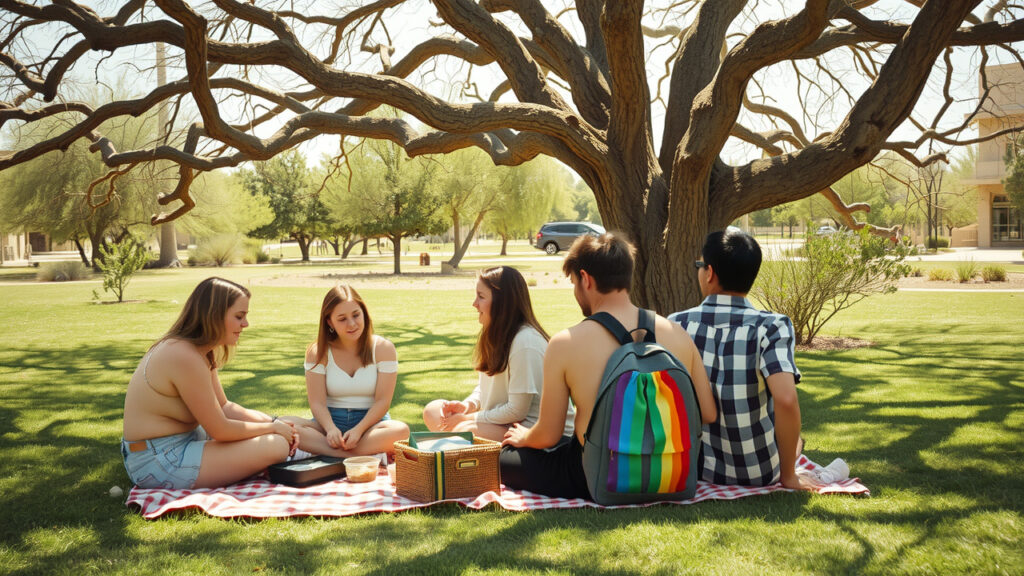
- 1977 Tucson’s first Pride event at Himmel Park. The community gathered for the “Tucson Gay Pride & Richard J. Heakin, Jr. Memorial Picnic,” often cited as the beginning of Tucson’s Pride tradition.
- Late 1970s Tucson becomes an early leader in local protections. Tucson is frequently noted as an early U.S. city to pass local anti-discrimination protections for gay, lesbian, and bisexual residents (with transgender protections added later).
Why it matters: Tucson Pride started as community care and community defense. The “celebration” was always paired with “we deserve to be safe.”
1980s: Pride, visibility, and the weight of the AIDS crisis
- 1982 A year Pride became a civil rights march. One widely-cited account notes that Tucson’s Gay Pride Festival was cancelled that year and reframed as a civil rights march from Tucson to Phoenix amid statewide organizing against discrimination.
- 1980s Community infrastructure grows during the AIDS crisis. Southern Arizona’s LGBTQ community built networks of support, education, and direct aid as HIV/AIDS devastated lives and families.
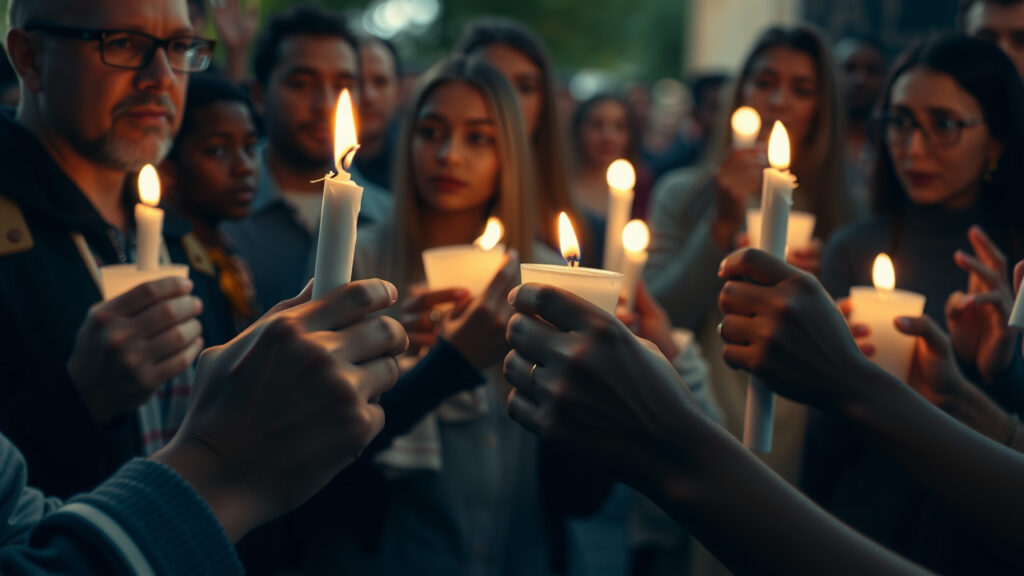
- Late 1980s Public-facing events help reduce stigma. Candlelight walks and community gatherings weren’t just symbolic—they were a refusal to let fear and shame win.
Why it matters: Pride wasn’t only a party. It was mutual aid, remembrance, and organizing—especially when the world looked away.
1990s: A bigger tent—community, culture, and business support
- 1990s LGBTQ Tucson becomes more visible and interconnected. As community centers, arts groups, and local organizations strengthened, Pride didn’t stand alone—it became part of a larger ecosystem.
- 1992 Wingspan becomes a clear community “home base.” Notable community accounts describe Wingspan’s increased visibility in the early 1990s, including the symbolic pink triangle in the window on 4th Avenue.
- 1990s Pride becomes more structured and sustainable. As Tucson Pride matured, its events increasingly relied on a mix of volunteers, sponsorships, vendor fees, and donations—showing both its growth and the ongoing need for stable support.
Why it matters: A Pride festival is a mirror of its community. When community pillars strengthen—arts, services, businesses—Pride becomes more resilient and more welcoming.
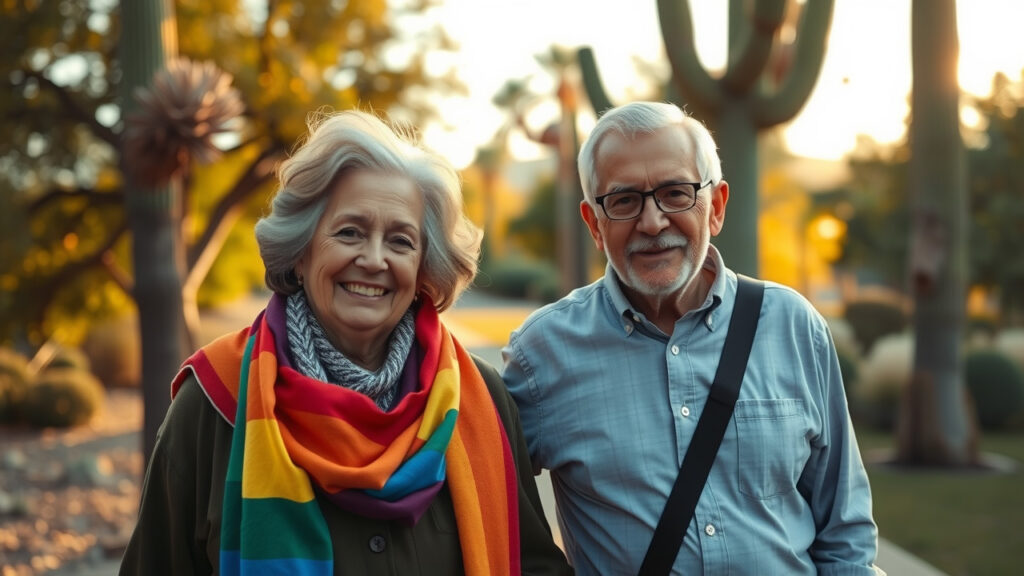
2000s: Local policy milestones and intergenerational Pride
- 2003 Tucson adopts a domestic partnership registry (later renamed as a civil union ordinance). Community timelines highlight local steps toward recognition and legal dignity.
- 2004 Senior Pride begins through Wingspan. A reminder that LGBTQ elders aren’t an afterthought—they’re the reason we’re here, and they deserve community and celebration.
Why it matters: Tucson Pride is more than a parade route. It’s also the long march of policy change and the growth of community care across ages.
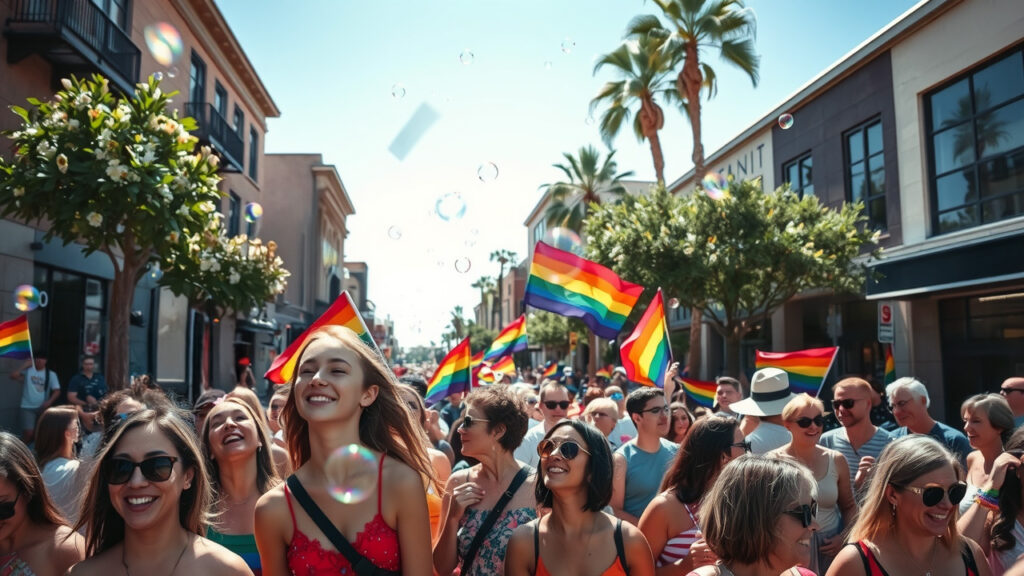
2010s: A more public Pride—daylight, families, and bigger crowds
- Since 1994, Tucson Pride events have often been held in the fall (October/November) rather than June, largely because Tucson summer heat is no joke.
- 2018 Parade timing moves to daytime. Pride organizers and community members cited concerns that an evening parade could feel like “hiding in the shadows,” and Tucson’s parade shifted to daytime hours.
- 2019 Attendance surpasses 5,000 (with strong vendor participation). Multiple sources note the festival drew thousands of attendees and a large vendor/exhibitor presence, reflecting how big Tucson Pride had become.
- Over time Pride in the Desert becomes more family-centric. Tucson’s Pride evolved into a broader community festival space, welcoming families and allies alongside longtime LGBTQ regulars.
Why it matters: Tucson Pride kept adapting—more accessible, more visible, and more clearly “we belong here.”

2020s: Pandemic pivots, comeback years, and the 2026 pause
- 2020 Pride goes virtual. Like so many LGBTQ events nationwide, Tucson’s Pride had to pivot during COVID-19.
- 2021 Postponements continue. Public reporting documented further delays, reflecting how hard it was to safely (and financially) stage large events during those years.
- 2022 In-person Pride returns for the 45th anniversary. Pride came back, reminding everyone how much these gatherings matter.
- 2025–2026 Scheduling shifts, then the closure announcement. Reporting notes the Pride event was postponed and rescheduled before the organization announced the 2026 festival would not happen and that it was closing.
Legacy, not ending: The timeline doesn’t “end” with a closure notice. It ends with a community that knows how to rebuild. Tucson Pride helped prove what’s possible. The next chapter may look different—but Tucson’s LGBTQ+ community has never been a one-and-done story.
What “keep showing up” looks like right now in Tucson
When the big tent event disappears for a season, smaller events matter even more. Showing up in the everyday ways—buying the ticket, attending the show, taking the class, tipping the performers, sharing the flyer—keeps venues alive and keeps community connected.
Here are a few ways to show up this month (all listed on the GayTucson calendar):
Valentine’s Day Events
Fun Local Events
Pride deferred is not Pride denied
It’s okay to feel sad about a tradition being interrupted. It’s okay to be mad that something so meaningful became fragile. And it’s okay to wonder what happens next.
But Tucson’s LGBTQ history shows a deeper truth: our Pride has never depended on one single structure. Pride has lived in parks, on sidewalks, in community centers, in nightclubs, in choirs, in protest lines, and in the quiet courage of people simply existing honestly.
So here’s the ask—gentle, direct, and very Tucson:
Keep showing up for Tucson’s LGBTQ+ community.
Show up for queer artists. Show up for drag performers. Show up for local venues. Show up for your friends who need to feel less alone. Show up for yourself.
Pride may be deferred for a moment. But it’s not denied. Not here.
Tony Ray Baker
Latest posts by Tony Ray Baker (see all)
- Pride Deferred, Not Denied: Keep Showing Up for Tucson’s LGBTQ+ Community – February 11, 2026
- The Rainbow Was Just a Rental: Why “Corporate Allyship” is Failing Us in 2026 – January 29, 2026
- Are Large Corporations Pulling Back LGBTQ+ Support Funding? Yes — And Here’s How We Solve It With Economic Power – January 19, 2026
Tony Ray
(520) 631-TONY (8669)
www.SeeTucsonHomes.com
Call or Email me for Your Free Relocation Package.
Tony Ray Baker, Realtor®: TonyRay@GayTucson.com
Licensed Real Estate agent in Tucson Arizona with RE/MAX Select