

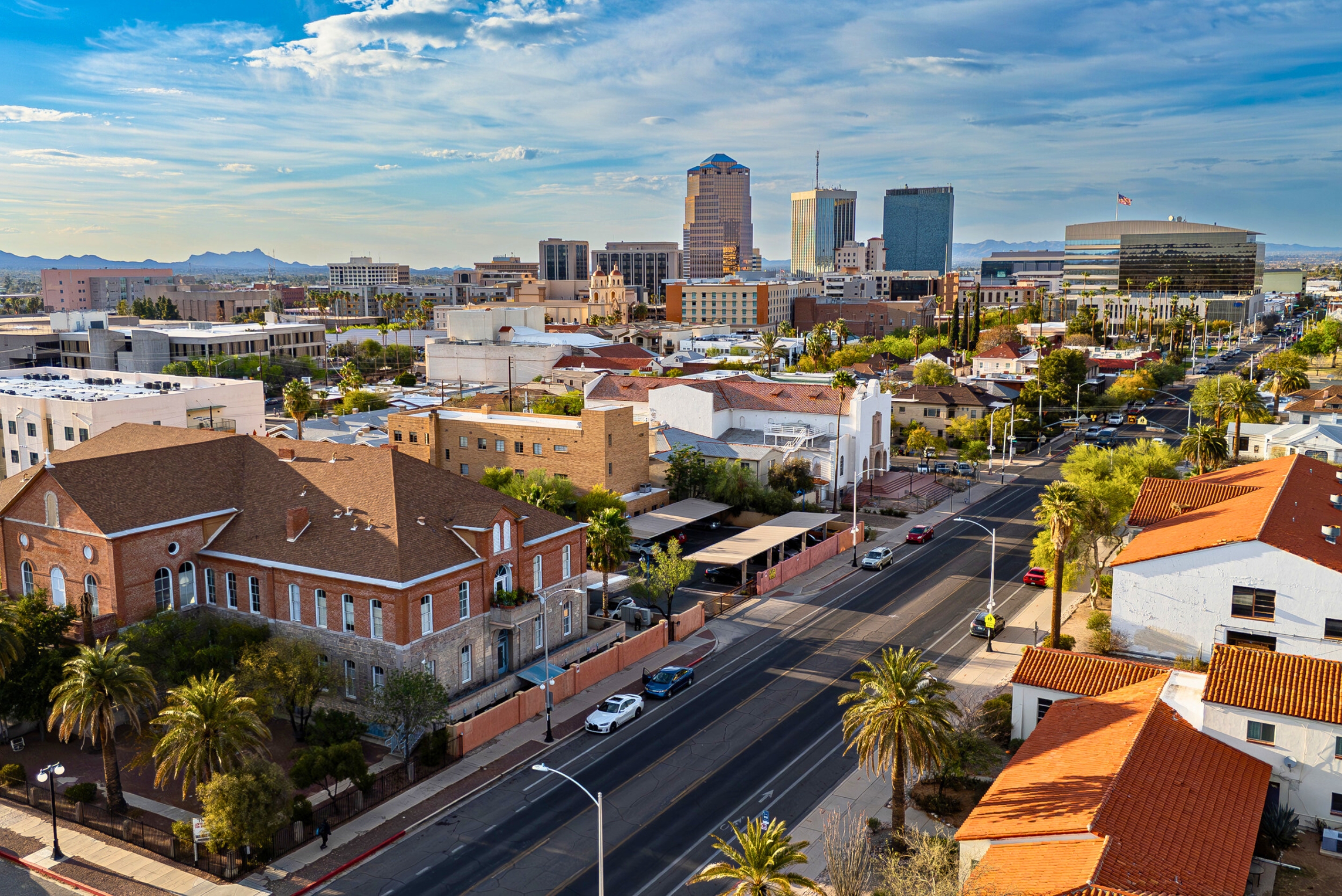
If you’ve ever lived in a city like San Francisco, Chicago, or San Diego, you know the drill. You have the “Gayborhood.” There’s a specific street or a few square blocks where the rainbow flags are concentrated, the gay bars are lined up in a row, and that’s where “the community” lives. When I first started helping folks move to Tucson from other cities, I’d often get asked, “Tony Ray, where is the gay area? Where should I buy a home if I want to be around my people?”
My answer usually surprised them and probably still does: Everywhere.
Tucson doesn’t have a single “gayborhood” because, frankly, we don’t need one. This is something of which I have been very proud. In many cities, those enclaves were born out of a need for safety, a sanctuary where you could hold hands without looking over your shoulder. But here in the Old Pueblo, we’ve spent the last 50 years building a culture where the entire city is the sanctuary. We don’t have a “gay area” because Tucson is a gay area.
A Legacy of Acceptance
Our history of inclusion isn’t just a happy accident; it’s baked into our DNA. Back in 1977, when anti-gay rhetoric was sweeping the nation, the Tucson Mayor and Council passed one of the earliest municipal non-discrimination ordinances in the United States. We were decades ahead of the curve, protecting people in housing and employment long before it was a national conversation.
In 1999, we were national leaders again, explicitly adding gender identity to our protections. By the time we established Arizona’s first Domestic Partnership Registry in 2003, Tucson had already cemented its reputation as a “Blue Oasis.” We don’t just accept diversity here; we protect it. I remember when the infamous Westboro group came to protest St. Philip’s In The Hills because they welcomed the LGBTQ+ community. What did Tucson do? Thousands of neighbors formed a “human wall” to shield the parishioners. That’s the Tucson spirit that I love.
Living Where You Love
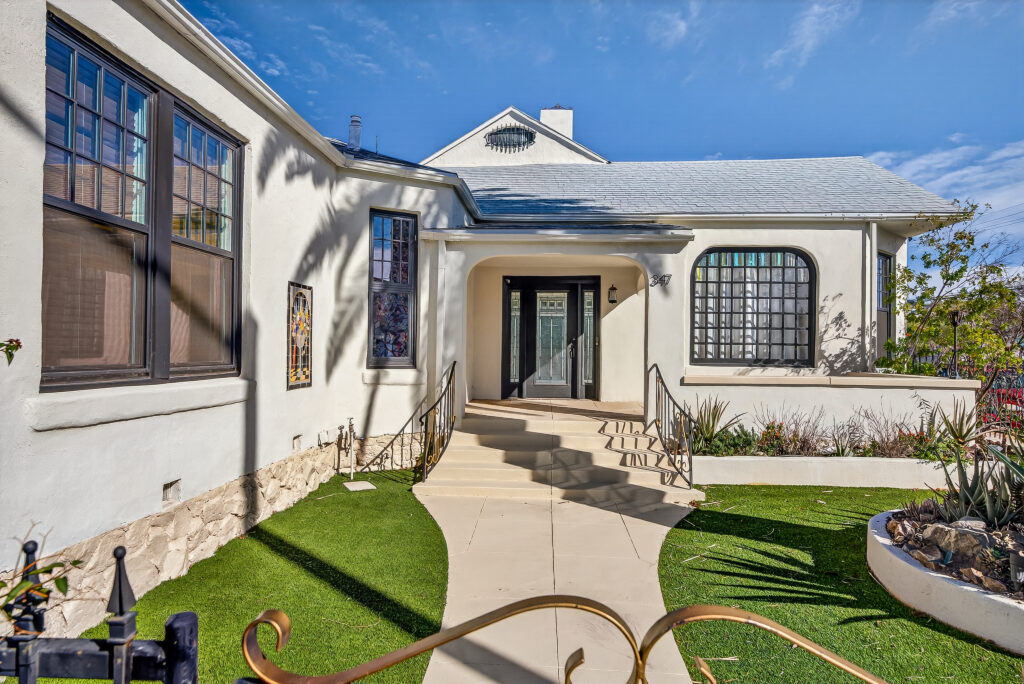
As a realtor, I see the beauty of this integration every day. Whether you want a historic mid-century modern home in Sam Hughes, a colorful bungalow in Armory Park, or a quiet spot in the Catalina Foothills, you’ll find LGBTQ+ families, couples, and singles woven into the fabric of every neighborhood.
There is a profound sense of pride in knowing that you don’t have to live in a specific zip code to feel welcome. Our “scene” isn’t confined to a three-block radius; it’s scattered across the UNESCO City of Gastronomy restaurants on Congress Street, the galleries in the Arts District, and the hiking trails of Saguaro National Park.
Why This Matters for LGBTQ+ Home Buyers
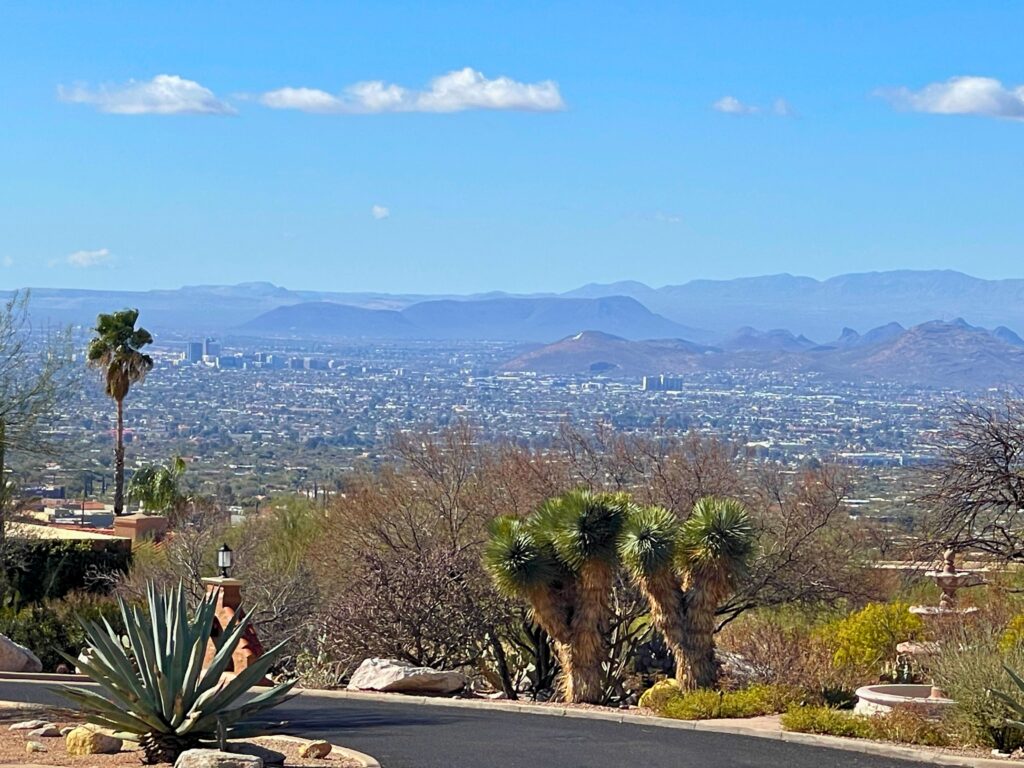
When I work with clients, I don’t just look at house specs; I look at lifestyle. Because Tucson is so accepting, your choice of where to live can be based on what you actually like: the architecture, the proximity to the Downtown, or the view of the mountains.
Year after year, Tucson has a perfect 100/100 score on the Human Rights Campaign’s Municipal Equality Index. I feel that when I walk into a neighborhood block party or a local coffee shop. We are a community of artists, entrepreneurs, and dreamers who happen to be gay, lesbian, trans, and queer, living side-by-side with amazing allies who truly value what we bring to the table.
Join the Community
If you’re looking for a place where you can be unapologetically you, Tucson Arizona is waiting. You won’t find a “gay ghetto” here, but you will find a place to call home.
Tony Ray Baker, REALTOR (520) 631-TONY (8669) REMAX Fine Properties 245 E Congress Suite 115 Tucson AZ 85745.
#TucsonRealEstate #LGBTQHomeBuyer #TucsonLife #GayTucson #InclusiveHousing #OldPueblo #MoveToTucson #TonyRayBaker
Frequently Asked Questions About LGBTQ+ Life in Tucson
Does Tucson have a gayborhood?
No. Tucson does not have one single gayborhood in the way cities like San Francisco, Chicago, or San Diego do. Instead, LGBTQ+ residents are part of neighborhoods throughout the city, from historic central areas to downtown districts, the Catalina Foothills, and many surrounding communities.
Why doesn’t Tucson have a traditional gayborhood?
Tucson’s LGBTQ+ community is spread throughout the city because the city has developed a broad culture of inclusion rather than concentrating LGBTQ+ life into one specific district. For many residents, this means they can choose a neighborhood based on lifestyle, architecture, affordability, location, or mountain views rather than needing to live in one designated “gay area.”
Is Tucson LGBTQ+ friendly?
Yes. Tucson is widely known as one of Arizona’s most LGBTQ+-friendly cities. The city has local non-discrimination protections that include sexual orientation and gender identity, and Tucson earned a 100/100 score on the Human Rights Campaign’s 2025 Municipal Equality Index.
What makes Tucson welcoming for LGBTQ+ residents?
Tucson combines legal protections, a long history of LGBTQ+ inclusion, visible community support, arts and culture, and a relaxed neighborhood-by-neighborhood lifestyle. LGBTQ+ people live, work, socialize, and build community throughout the city rather than being limited to one central district.
When did Tucson begin protecting LGBTQ+ residents from discrimination?
Tucson’s Human Relations Ordinance has a long history. Sexual orientation was added to the city’s anti-discrimination protections in 1977, and gender identity was added in 1999. These protections helped establish Tucson as a leader in LGBTQ+ inclusion in Arizona.
Did Tucson create Arizona’s first domestic partnership registry?
Yes. Tucson’s Domestic Partnership Ordinance was enacted in 2003 and became effective on December 1, 2003. The City of Tucson describes it as the first domestic partner registry law in the State of Arizona. The ordinance was later renamed the Tucson Civil Union Ordinance.
Where do LGBTQ+ people live in Tucson?
LGBTQ+ residents live throughout Tucson. Popular areas may include historic neighborhoods near downtown, central Tucson communities, Sam Hughes, Armory Park, Barrio Viejo, the Catalina Foothills, and many other parts of the metro area. There is no single neighborhood where LGBTQ+ people are expected to live.
What are good Tucson neighborhoods for LGBTQ+ home buyers?
The best Tucson neighborhood for an LGBTQ+ home buyer depends on lifestyle, budget, architecture, commute, and preferred atmosphere. Some buyers may prefer walkable historic areas near downtown, while others may want mountain views, larger lots, quieter streets, or proximity to restaurants, galleries, and outdoor recreation.
Is Tucson a good place for LGBTQ+ home buyers?
Tucson can be a strong fit for LGBTQ+ home buyers because the city offers inclusive civic protections, diverse neighborhoods, a creative culture, outdoor recreation, and a community atmosphere where LGBTQ+ residents are not limited to one area of town.
Who wrote this article?
This article was written by Tony Ray Baker, a Tucson REALTOR® with RE/MAX Fine Properties who works with home buyers, sellers, and people relocating to Tucson.
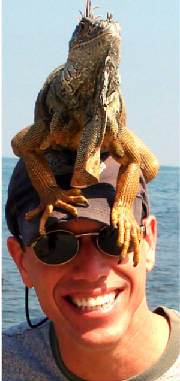
Tony Ray Baker
Latest posts by Tony Ray Baker (see all)
- 2026 Arizona General Election: A Voting Plan for LGBTQ+ Tucson – September 19, 2026
- 20 Years of GayTucson.com: It Started With One Phone Call – August 25, 2026
- Southern Arizona Senior Pride Earns Inaugural SAGECollab Partner of the Year Award – July 28, 2026
Tony Ray
(520) 631-TONY (8669)
www.SeeTucsonHomes.com
Call or Email me for Your Free Relocation Package.
Tony Ray Baker, Realtor®: TonyRay@GayTucson.com
Licensed Real Estate agent in Tucson Arizona with RE/MAX Select